Plaza Mayor, space and representation
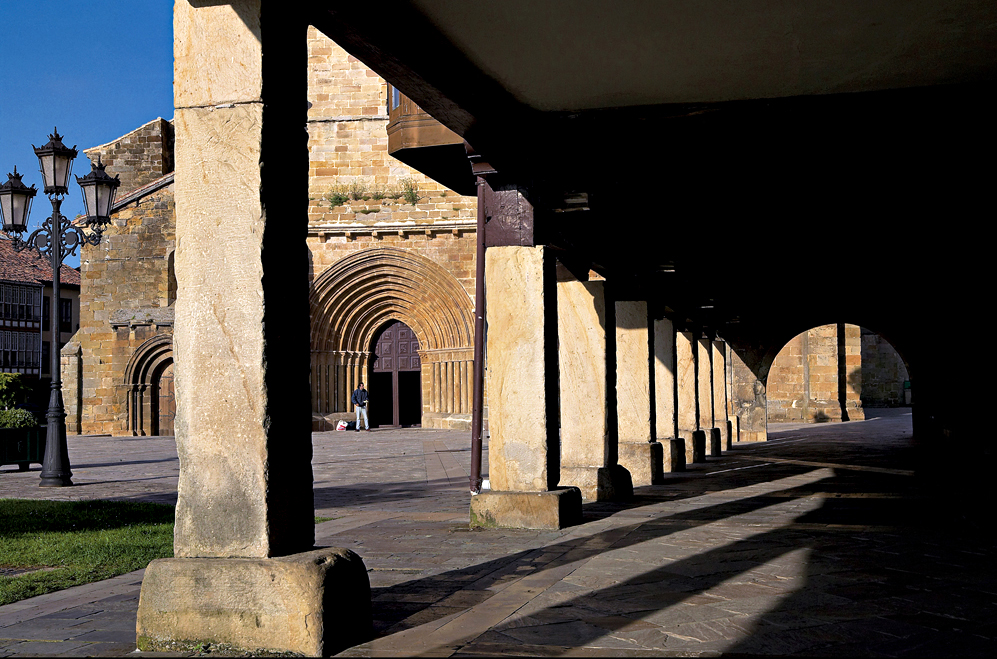
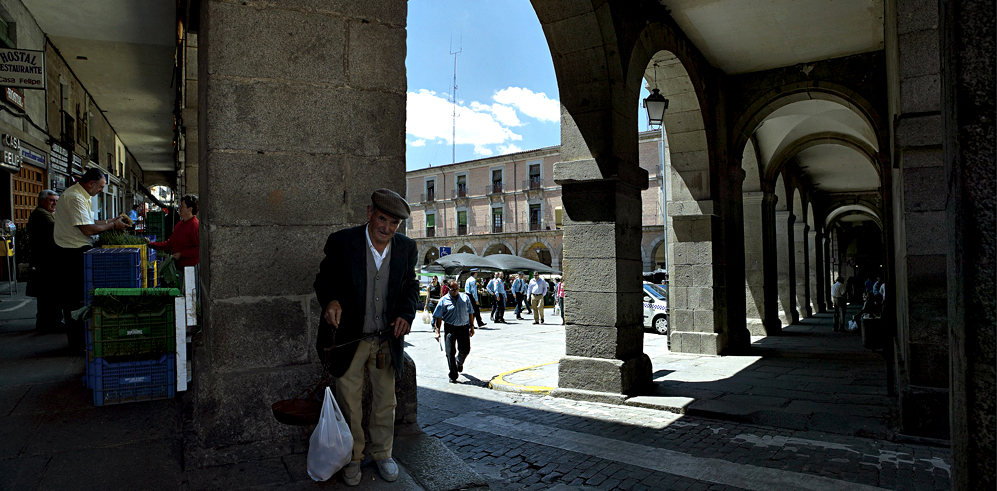
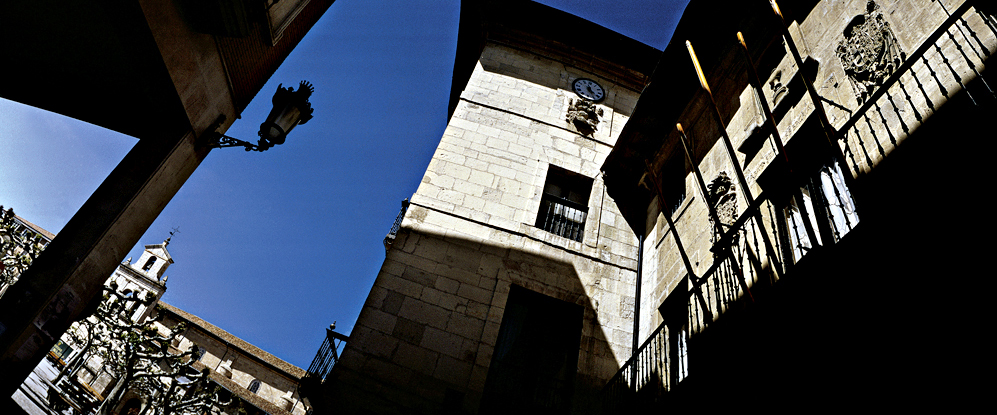
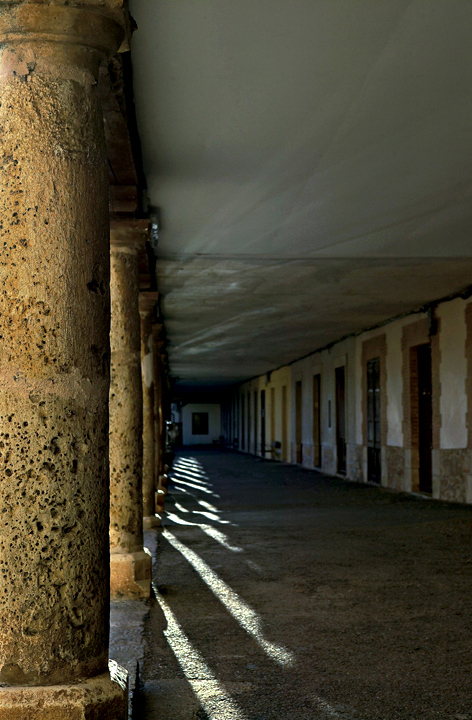
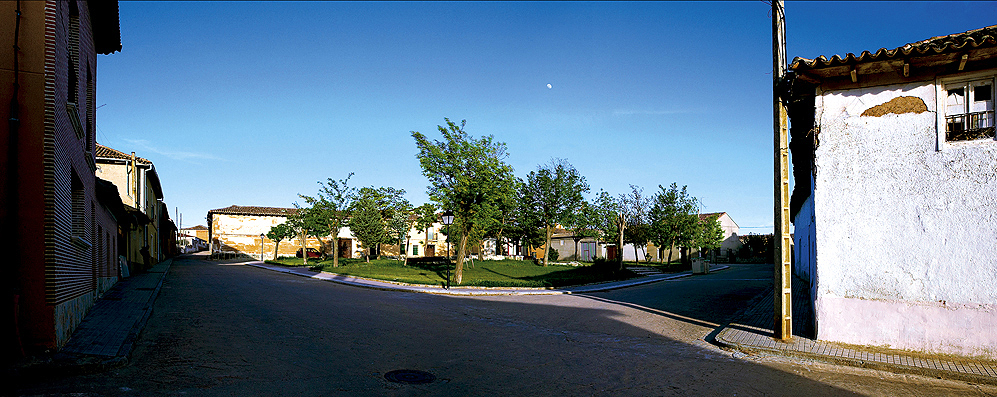
Cities have an organic geometry that fascinates me. They are the physical sedimentation of life. The material result of continuous dynamism. The mollusc produces the shell. Man produces the house. The village produces the city. If we want to understand what we see, what stands imposingly before us, we must recover its genealogy, the meticulous actions, desires and hopes that gave birth to it. The world of culture then regains a depth of meaning. Today I want to outline the genealogy of the “plaza mayor”. Which one? All of them, although the occasion is provided by this book, which celebrates the construction of the beautiful Plaza Mayor in Salamanca. The “plaza mayor” is a “cultural universal”, an urban constant found in all latitudes. People come together to live better. A continuous and abundant flow of experiences, interactions and needs then emerges, which becomes visible in temples, houses, monuments and spaces. Function creates form. In the centre of cities, like a welcoming reservoir where all rivers flow, we find the Plaza Mayor. Citizens need to meet for various purposes, to exchange goods, entertainment or information. Democracy was born in the public square, in the agora, a place of meeting and debate. José Antonio Marina. ‘The main square’.
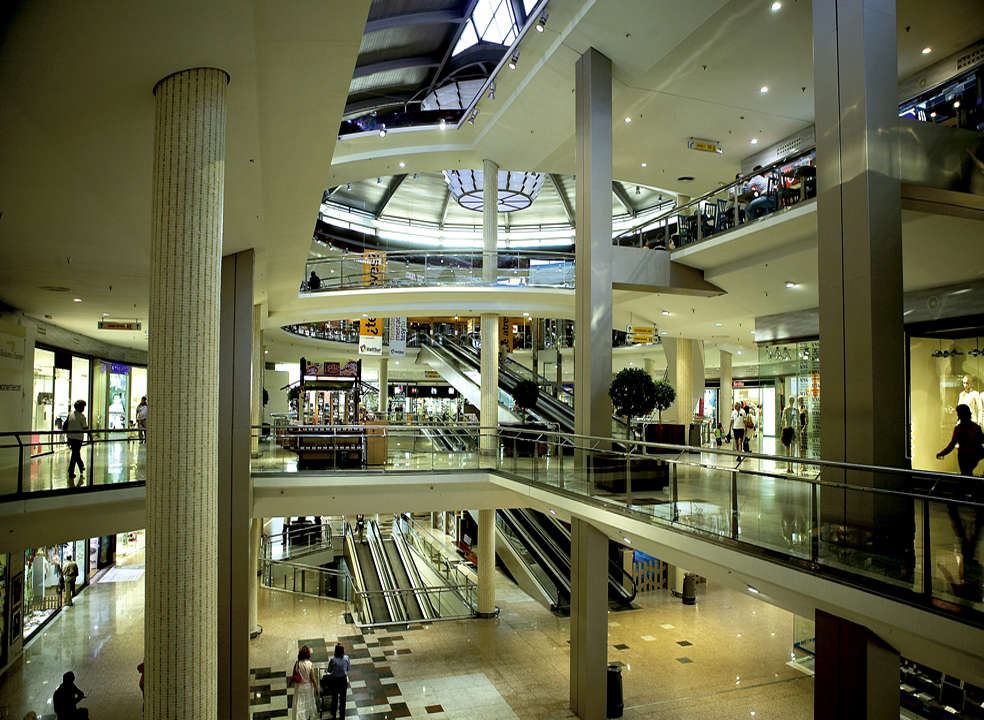
Centro Comercial Vallsur, Valladolid
, 2005
Piazza San Marco, Venecia
, 2005
Plaza Mayor, Almagro
, 2005
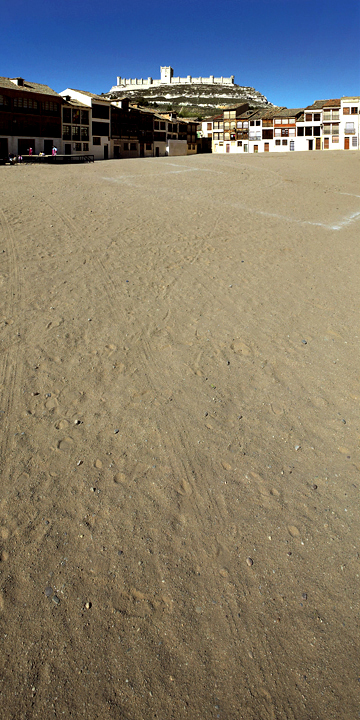
Plaza del Coso, Peñafiel
, 2005
Plaça Major, Vic
, 2005
Plaza Mayor, Ocaña
, 2005
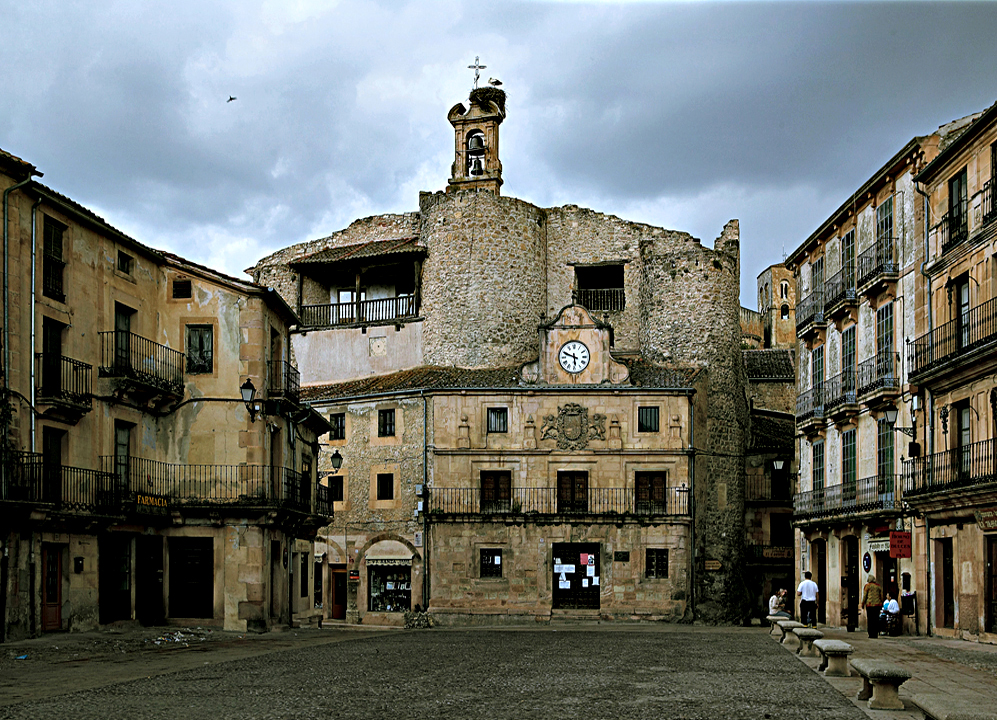
Plaza de España, Sepúlveda
, 2005
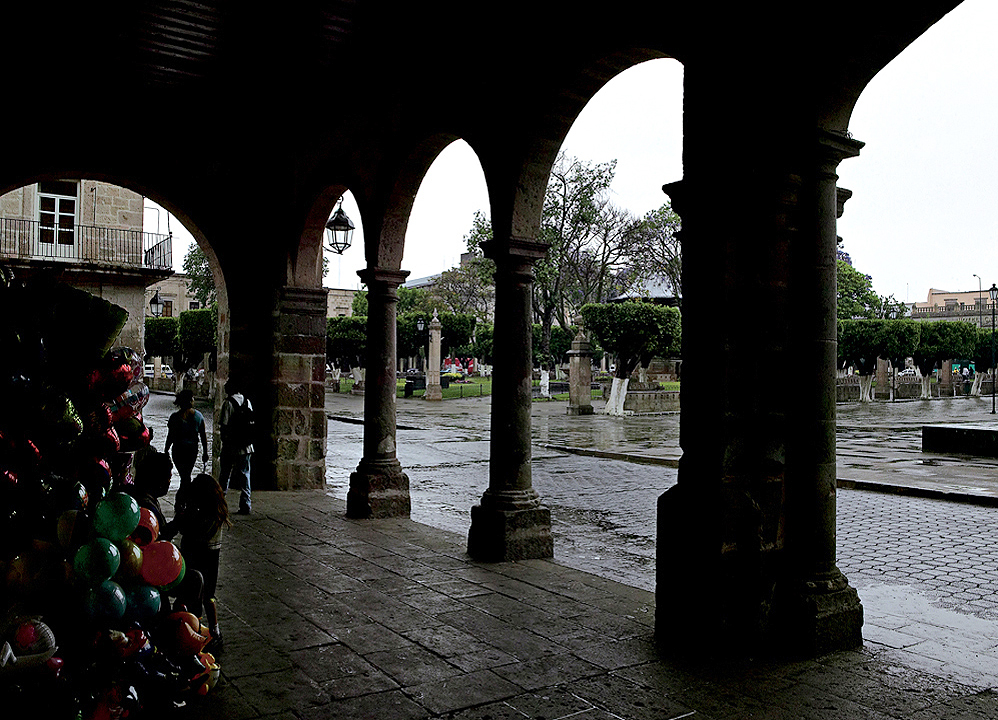
Plaza de Armas, Morelia
, 2005
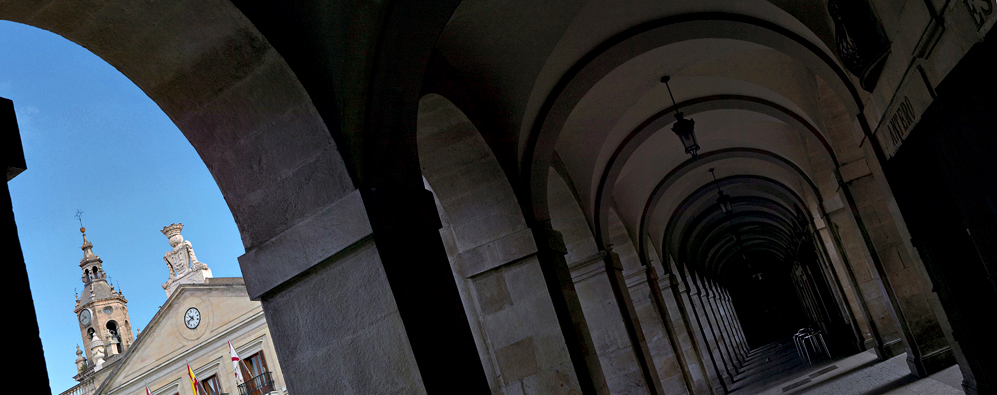
Plaza de España o Plaza Nueva, Vitoria-Gasteiz
, 2005
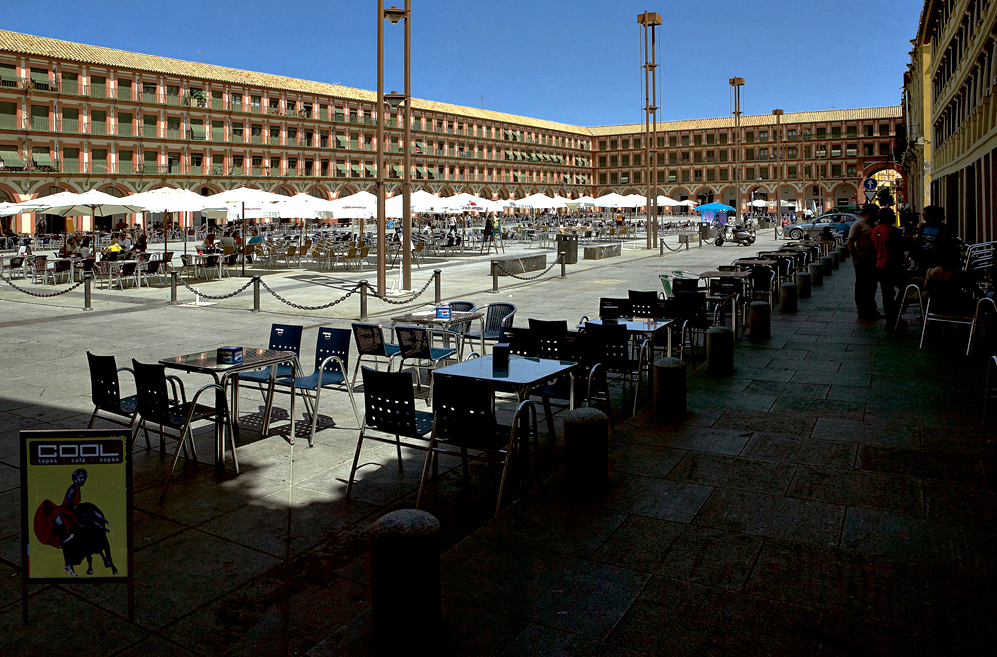
Plaza de la Corredera, Córdoba
, 2005
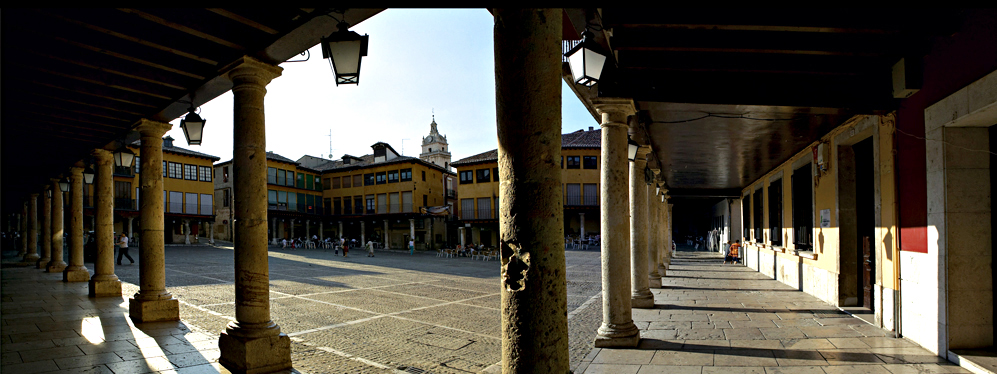
Plaza Mayor, Tordesillas
, 2005
Plaza de España, Aguilar de Campo
, 2005
Plaza Mayor o Mercado Chico, Ávila
, 2005
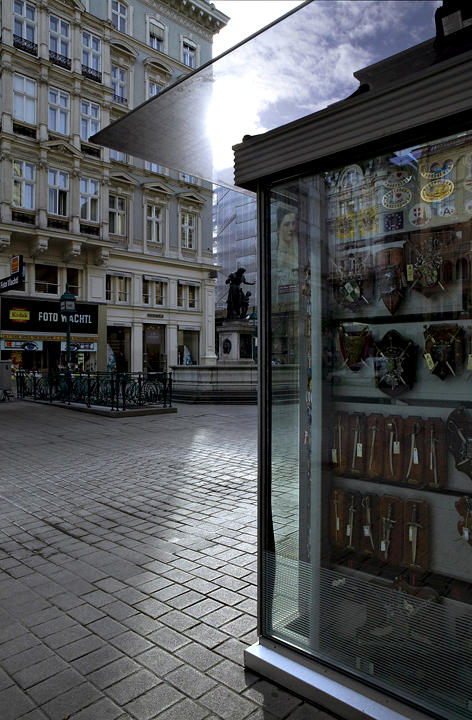
Graben, Viena
, 2005
Plaza de la Constitución. Briviesca
, 2005
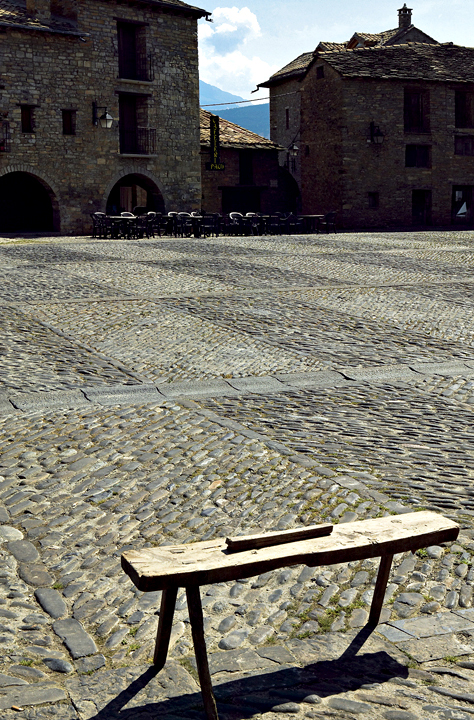
Plaza de España, Ainsa
, 2005
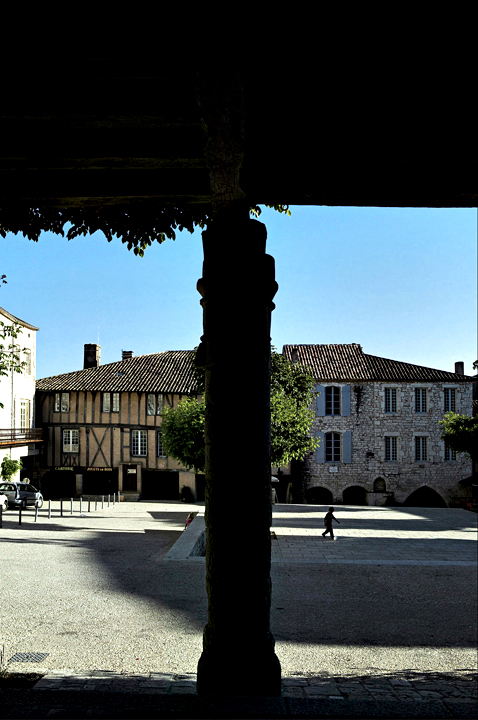
Place des Arcades, Monflanquin
, 2005
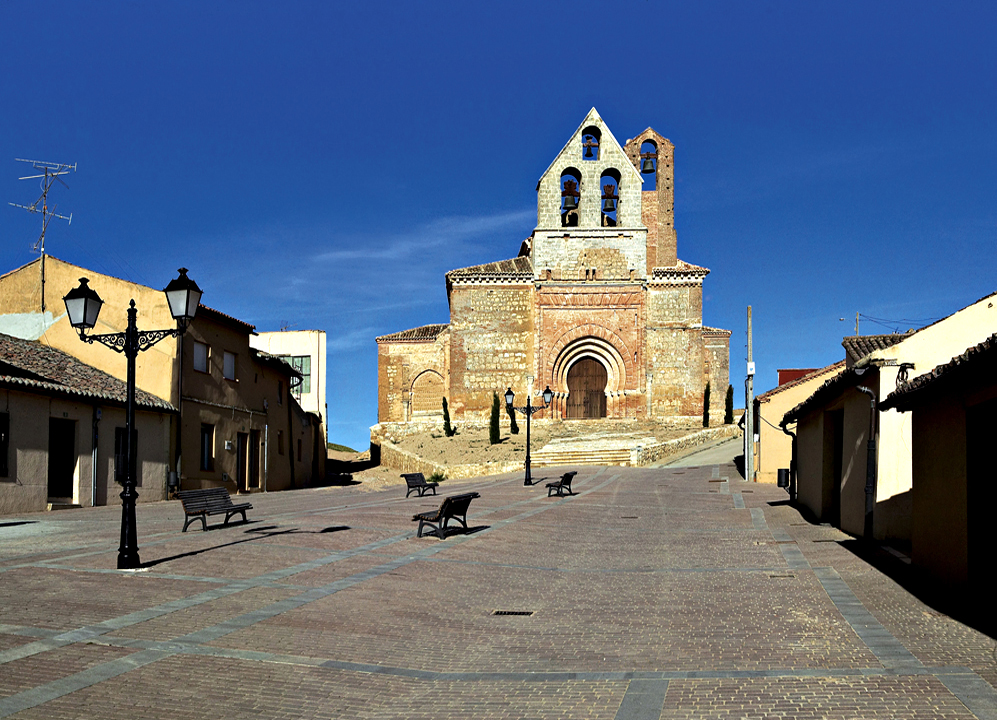
Plaza de San Pedro, Aguilar de Campos
, 2005
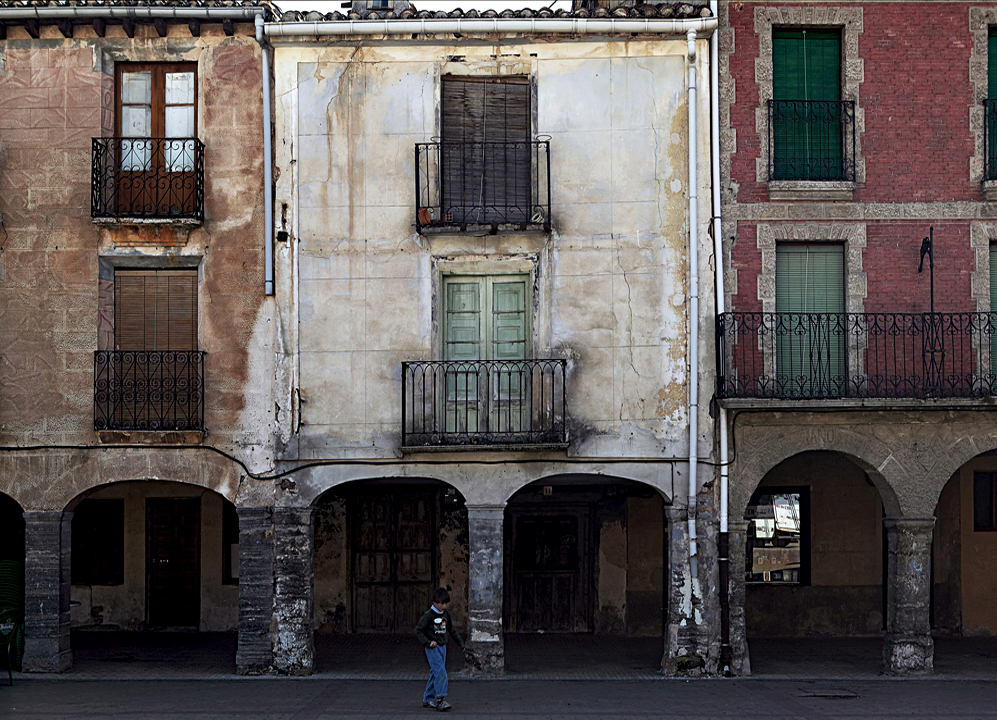
Plaza Mayor, Belorado
, 2005
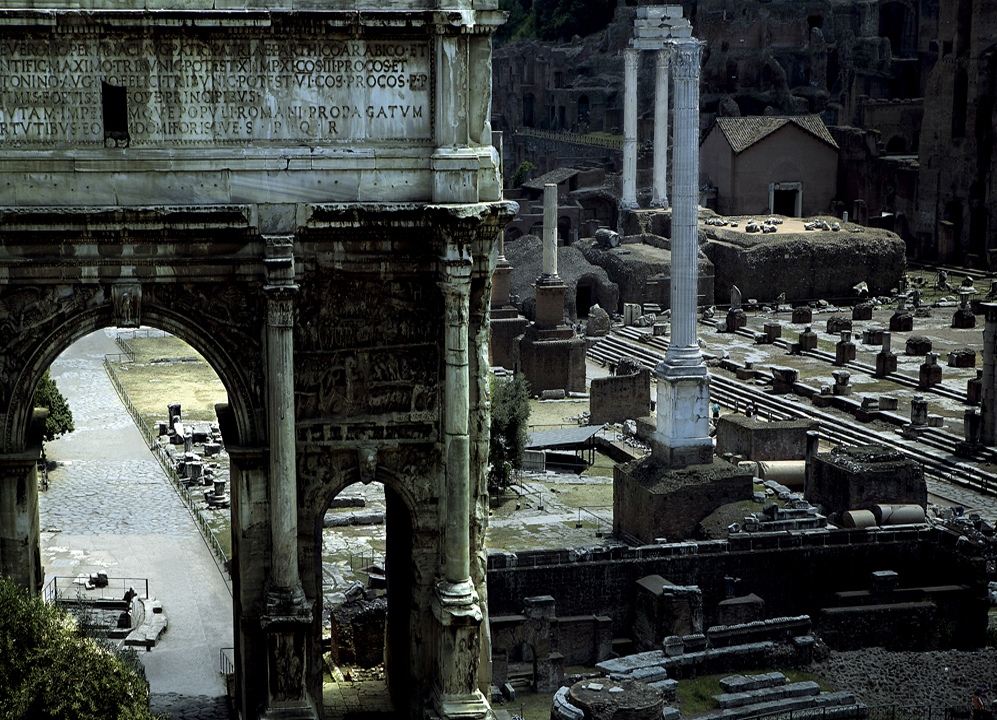
Foro romano, Roma
, 2005
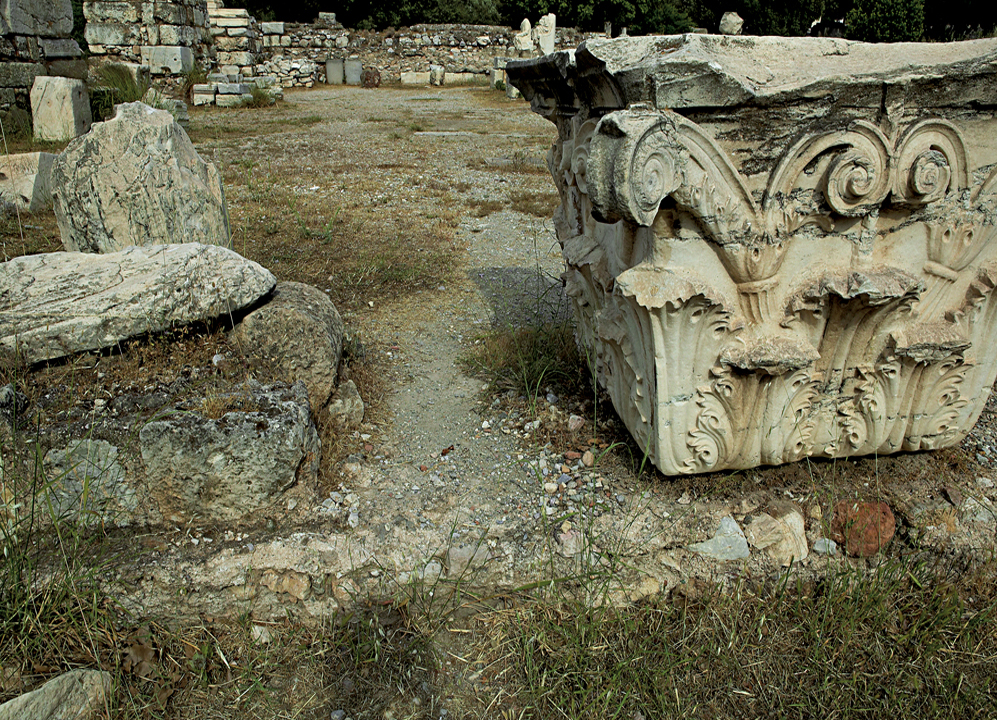
Ágora, Atenas
, 2005
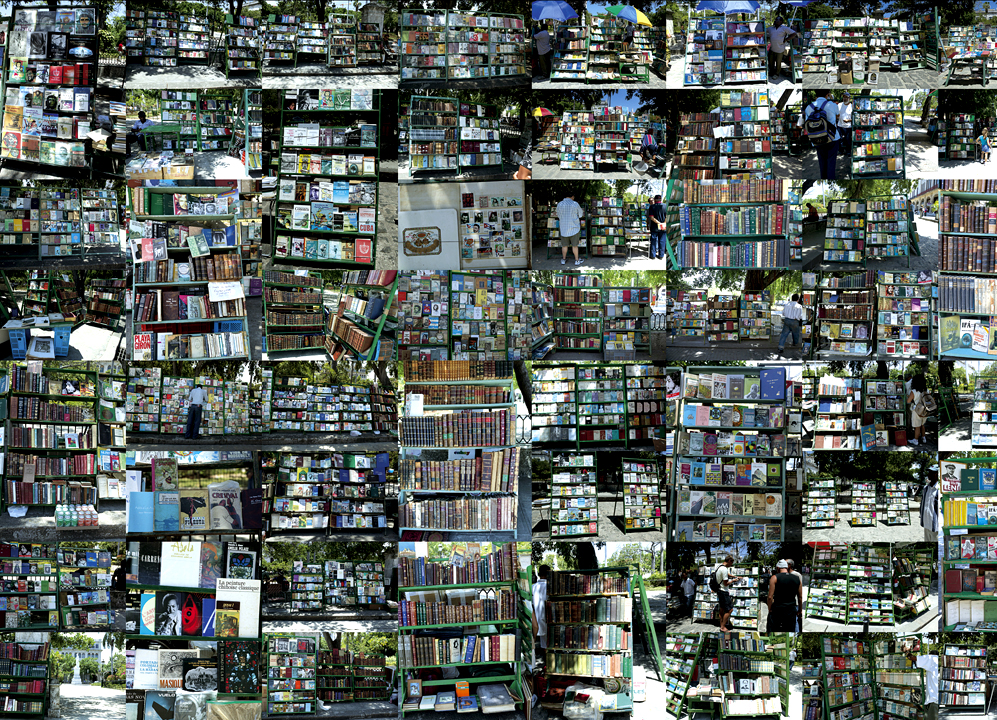
Plaza de Armas, La Habana
, 2005
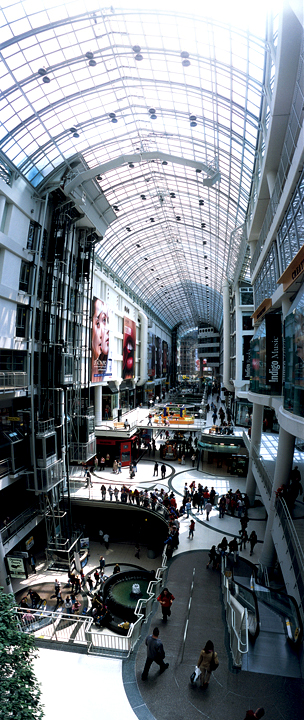
Eaton Centre, Toronto
, 2005
Sony Center, Postdamer Platz, Berlín
, 2005
Marktplatz, Freudenstadt
, 2005
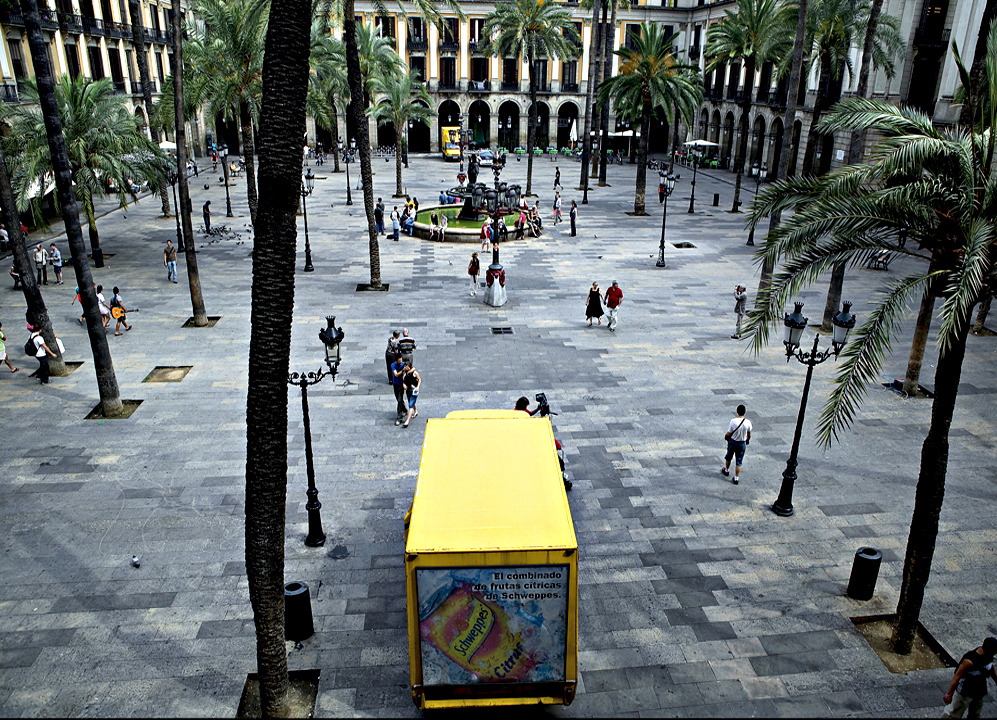
Plaça Reial, Barcelona
, 2005
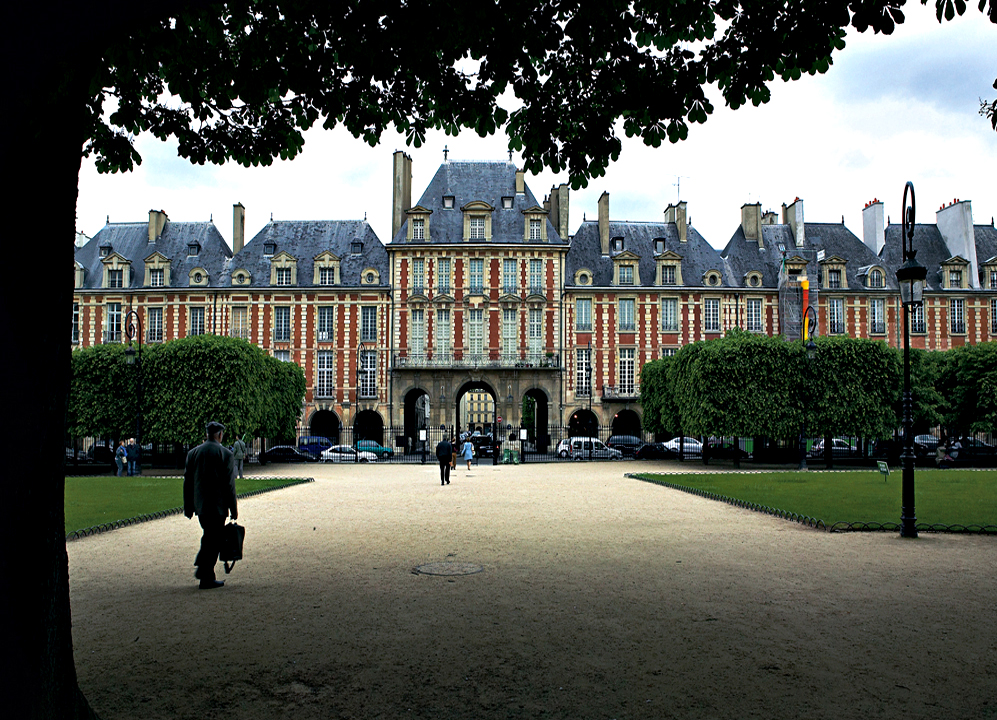
Place des Vosges, Paris
, 2005
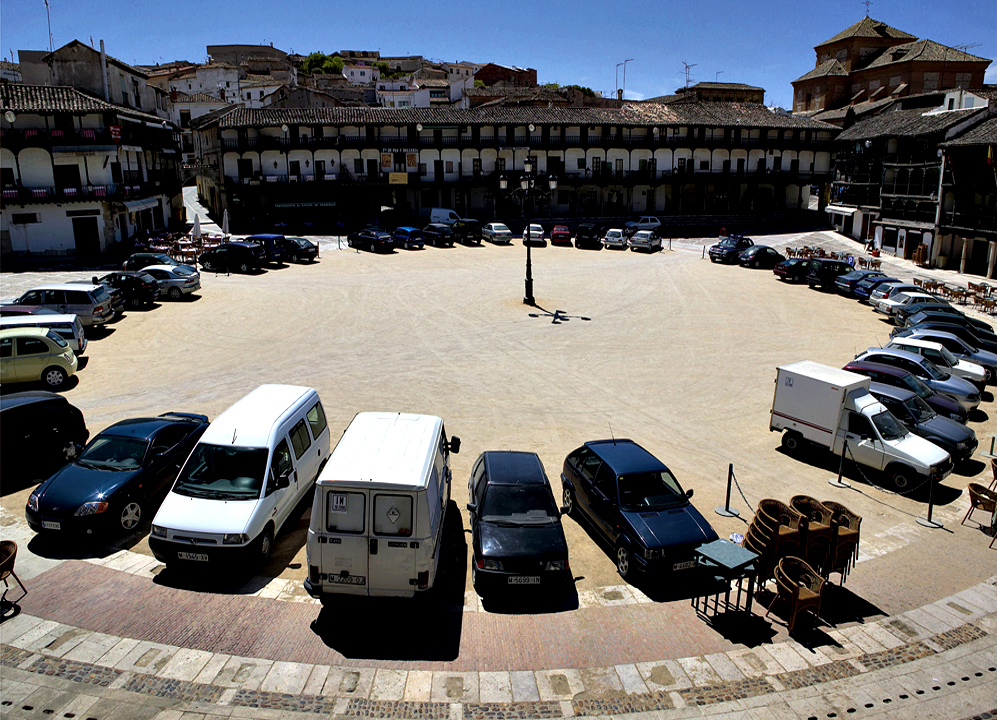
Plaza Mayor, Chinchón
, 2005
Plaza Mayor, Tembleque
, 2005
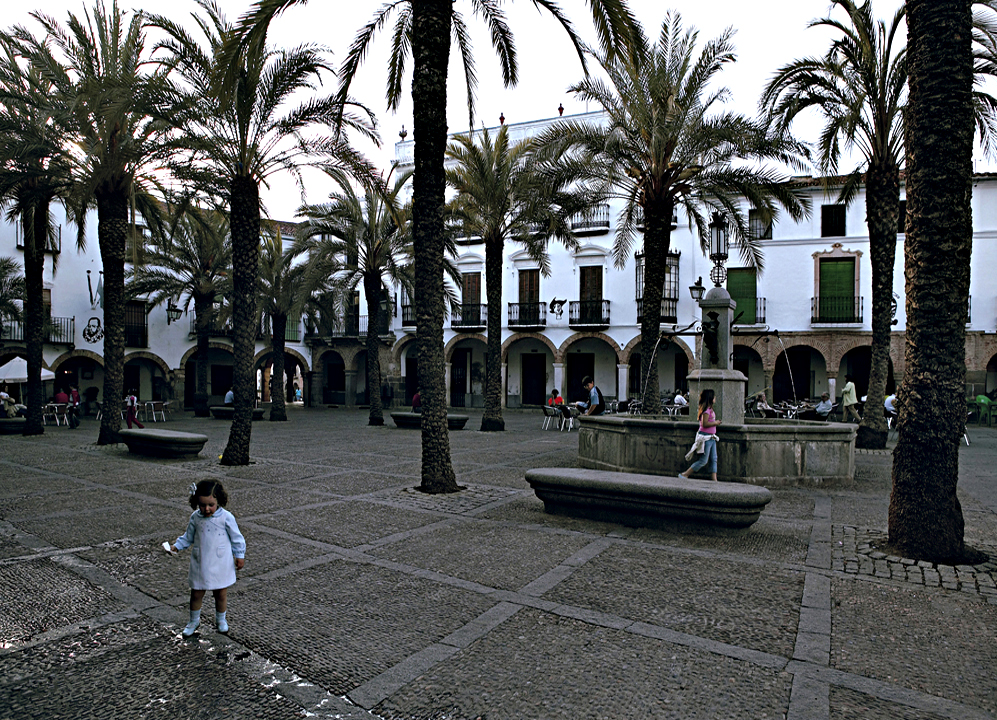
Plaza Grande, Zafra
, 2005
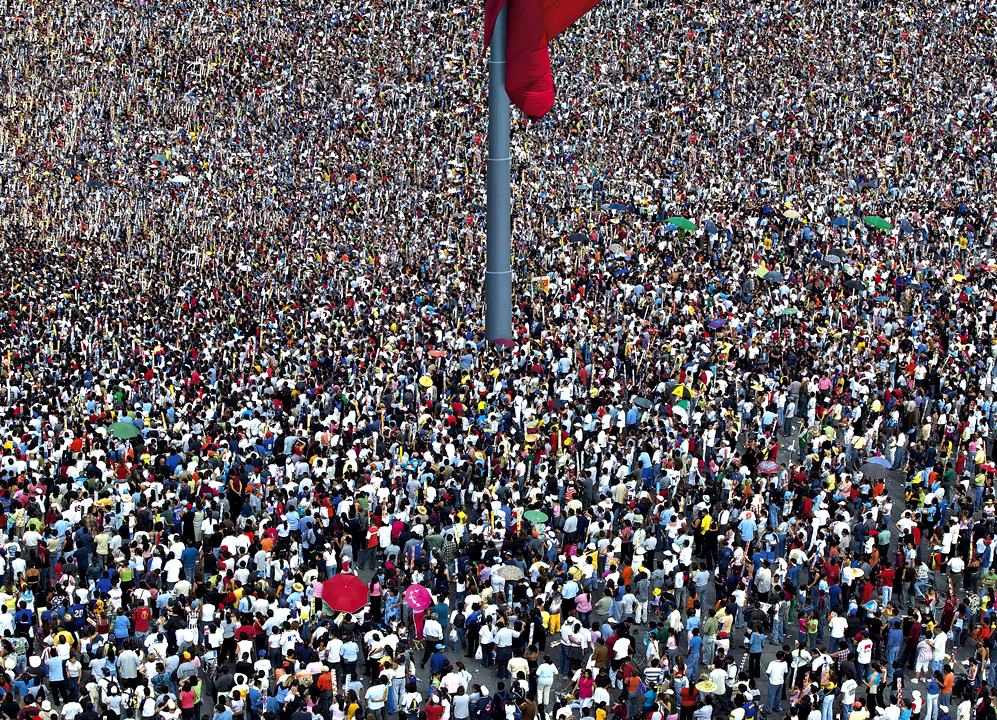
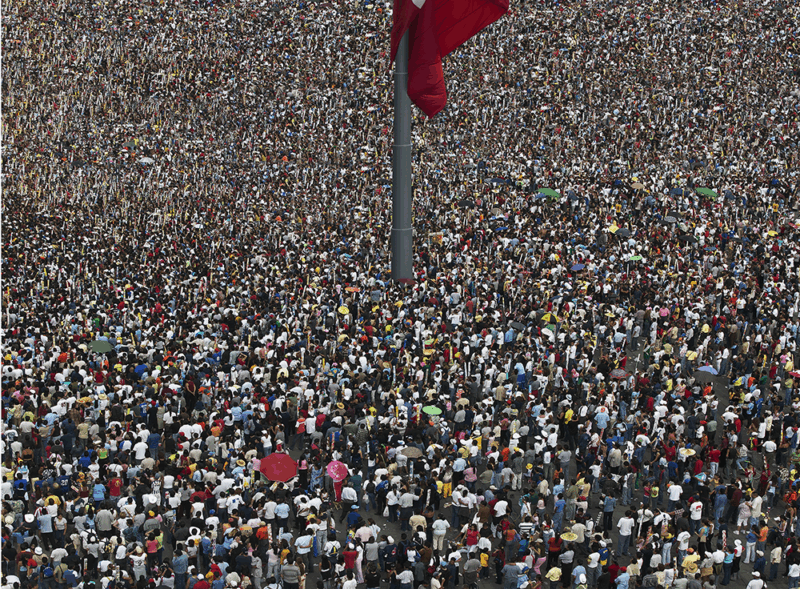
Zócalo, Ciudad de México
, 2005
Plaza Bolívar, Plaza de Aduanas, Plaza de Coches, Cartagena de Indias.
, 2005
Place Stanislas, Nancy
, 2005
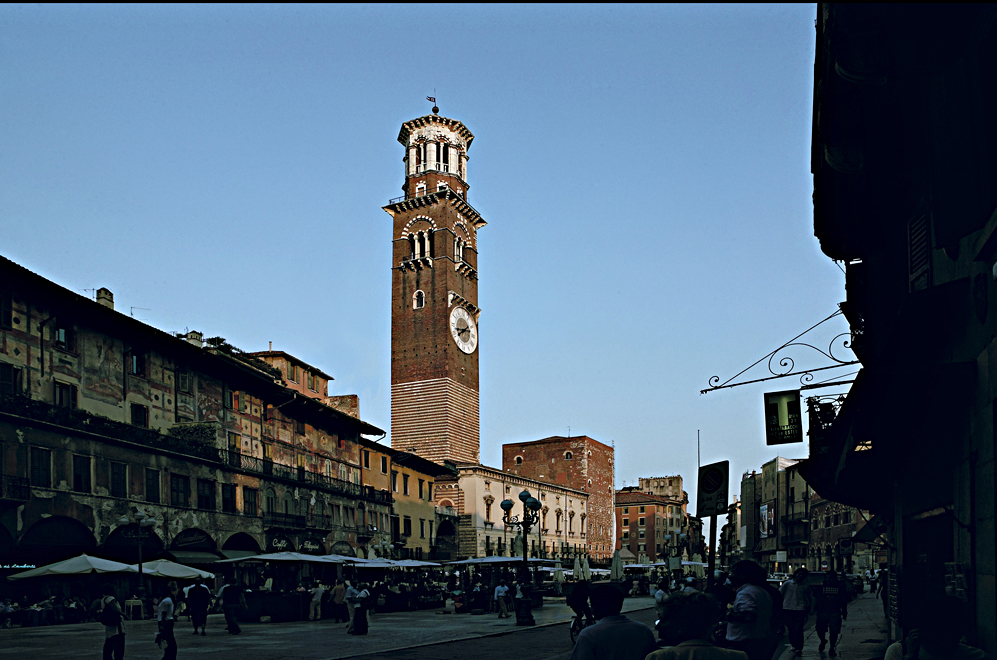
Piazza delle Erbe, Verona
, 2005
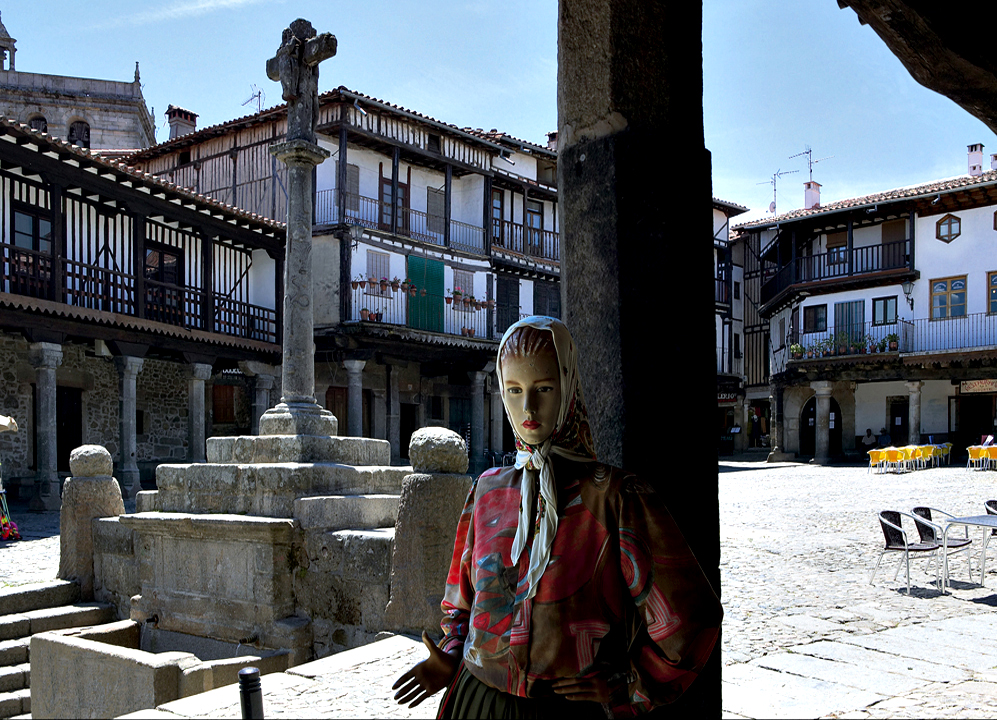
Plaza Mayor, La Alberca
, 2005
Place des Cornieres, Mompazier
, 2005
Plaza Mayor, León
, 2005
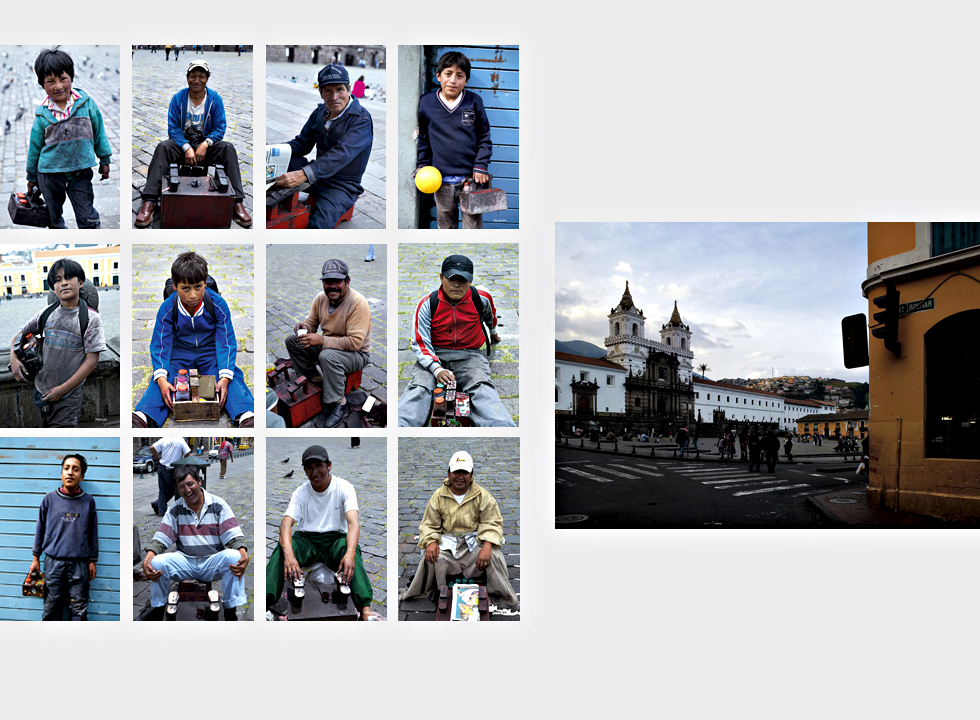
Plaza de San Francisco, Quito
, 2005
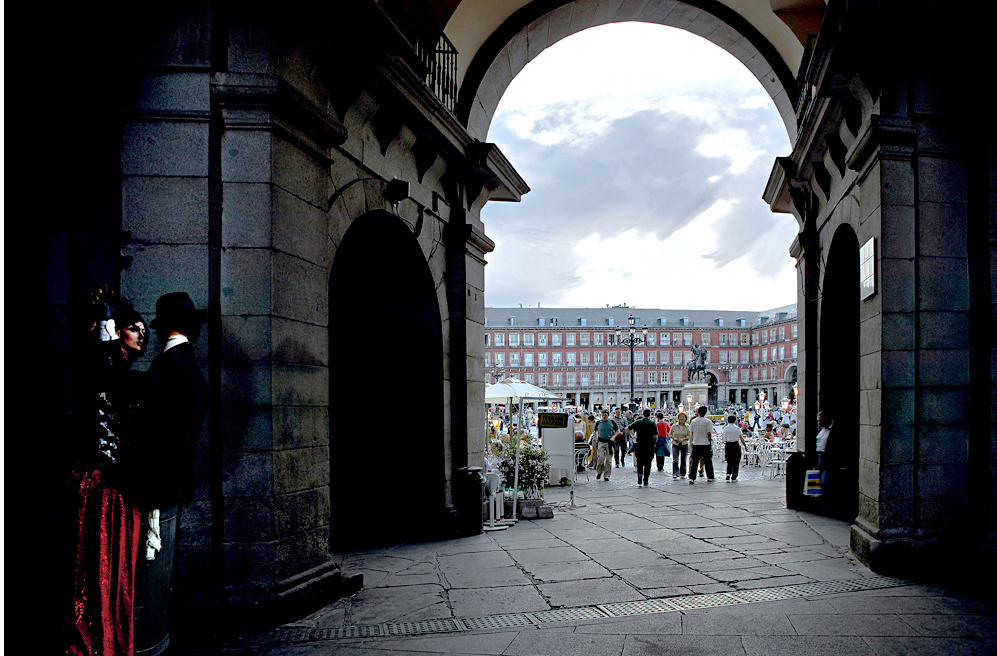
Plaza Mayor, Madrid
, 2005
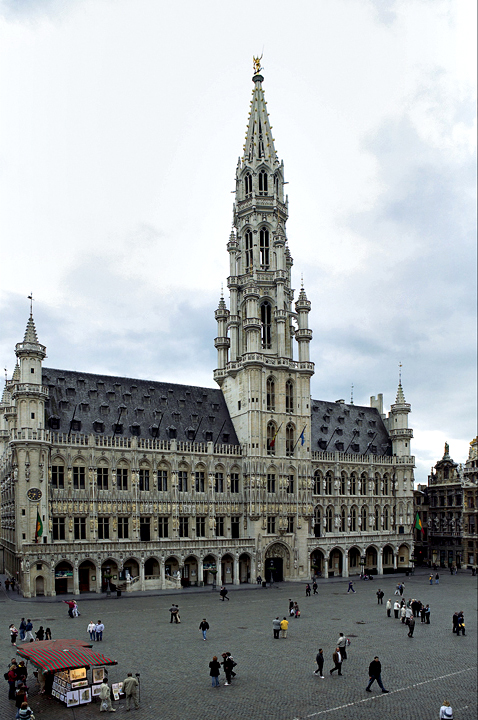
Grand´ Place, Bruselas
, 2005
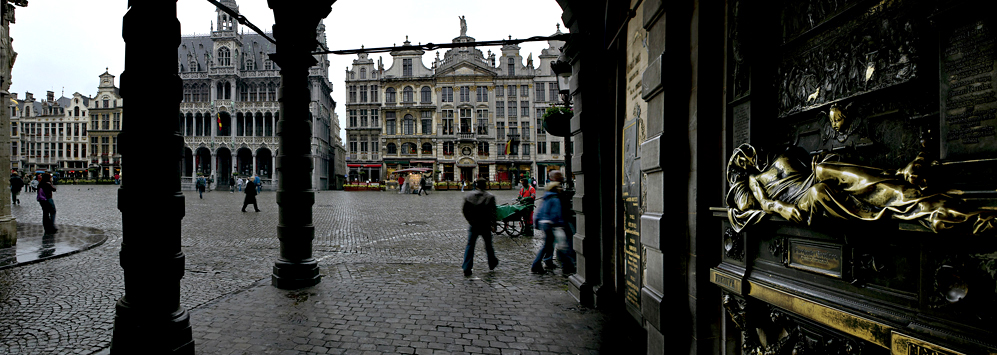
Grand´ Place, Bruselas
, 2005
Plaza Mayor, Salamanca
, 2005
Plaza Mayor, Salamanca
, 2005
Plaza Mayor, Valladolid
, 2005
Plaza Mayor, Lerma
, 2005
Piazza Della Santissima Annunziata, Florencia
, 2005
Plaza Mayor de la Hispanidad, Medina del Campo
, 2005
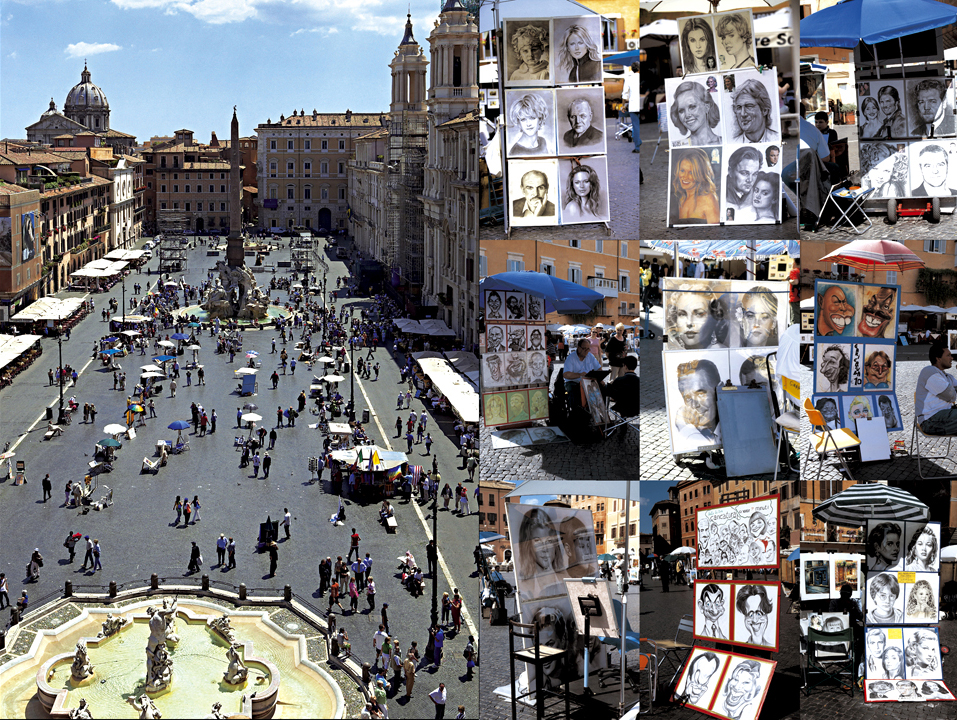
Piazza Navonna, Roma
, 2005
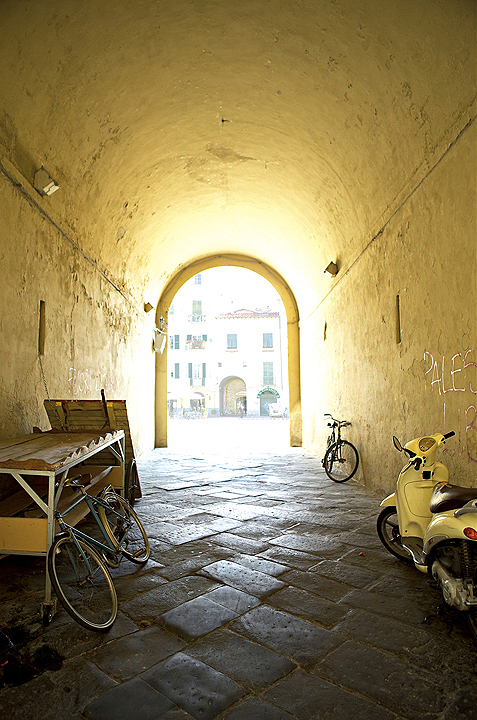
Piazza Anfiteatro, Lucca
, 2005
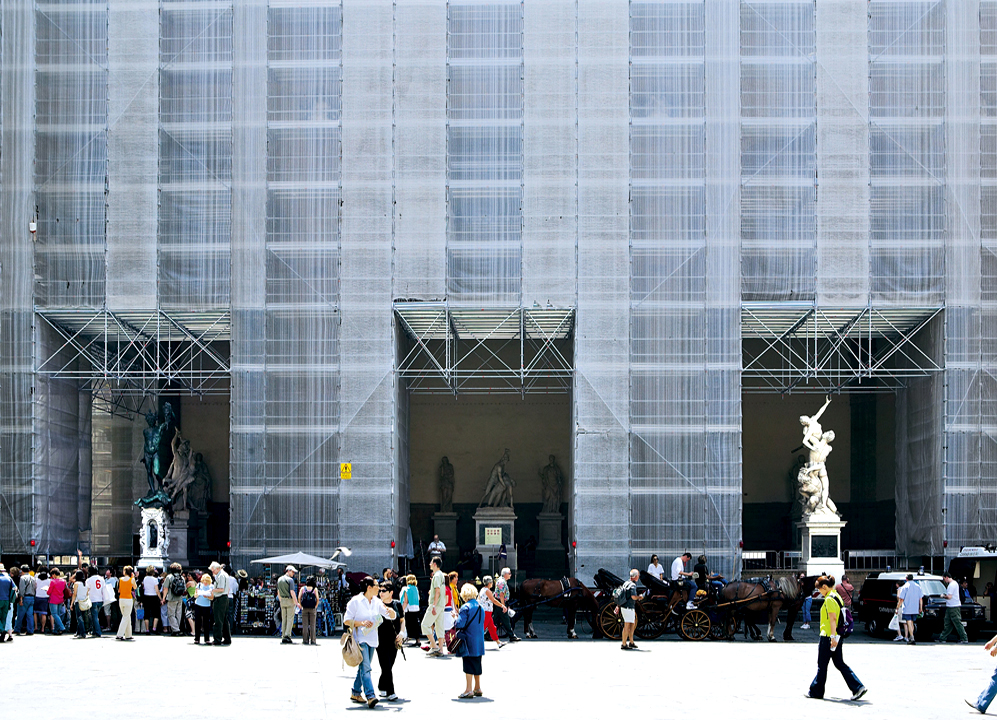
Piazza della Signoria, Florencia
, 2005
Plaza de Santa María, Aguilar de Campos
, 2005
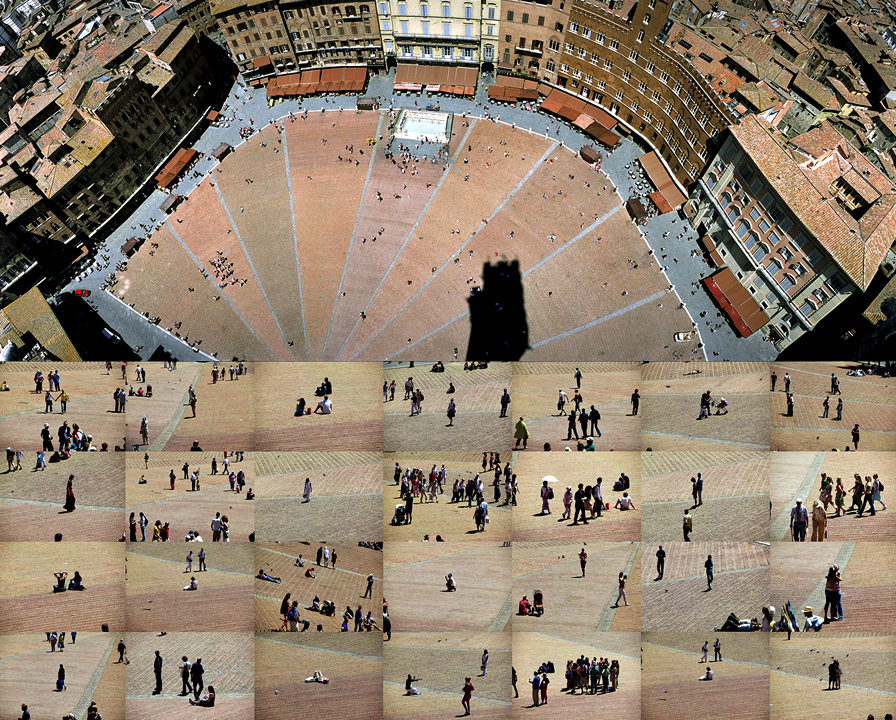
Plaza del Campo, Siena
, 2005